As a Game Master, you have spent hours building encounters, fleshing out NPCs, and weaving a world your players care about. Yet when the session clock hits zero, everyone packs up their dice, says their goodbyes, and the energy just... evaporates. The fix is simpler than you might think: end every session on a cliffhanger that makes your players lose sleep (in the best possible way). Mastering the art of the session-ending hook is one of the highest-leverage skills you can develop, and this guide will show you exactly how to do it.
Why the Final Five Minutes Define the Whole Session
Psychology tells us that people remember the peak moment and the ending of an experience more than anything in the middle. This is as true at the game table as it is anywhere else. A session that had a rough start but ended on a jaw-dropping revelation will feel, in your players' memory, like a great session. Conversely, a session that was packed with great moments but fizzled out with "okay, you make camp and sleep" will feel underwhelming in retrospect.
Your ending is your last impression. It is also your first impression of next session. Treat it accordingly.
Four Types of Cliffhangers That Actually Work
Not every great ending requires a world-shattering twist. Here are four reliable cliffhanger formats you can rotate through to keep your table on edge:
- The Interrupted Moment: The party is about to rest, celebrate, or finally get answers, and something cuts it short. A messenger bursts in. The ground shakes. The NPC they trusted says three words that change everything. The key is that the players were close to resolution before it was yanked away.
- The Revelation: A piece of information recontextualizes everything the party thought they knew. The villain they defeated was working for someone else. The artifact they recovered is actually a prison. Revelations work best when the clues were already in the story and players can look back and say "of course."
- The Impossible Choice: Present two things that matter equally and force the party to pick one before next session. Save the city or save the ally. Destroy the item or keep its power. Choices like this generate real conversation between sessions, which is exactly what you want.
- The Looming Threat: End with something terrifying moving toward the party before they can react. The dungeon door starts to splinter. A fleet of enemy ships appears on the horizon. The spell takes hold and someone begins to change. This type builds dread, which is a powerful motivator.
A Worked Example: The Interrupted Rest
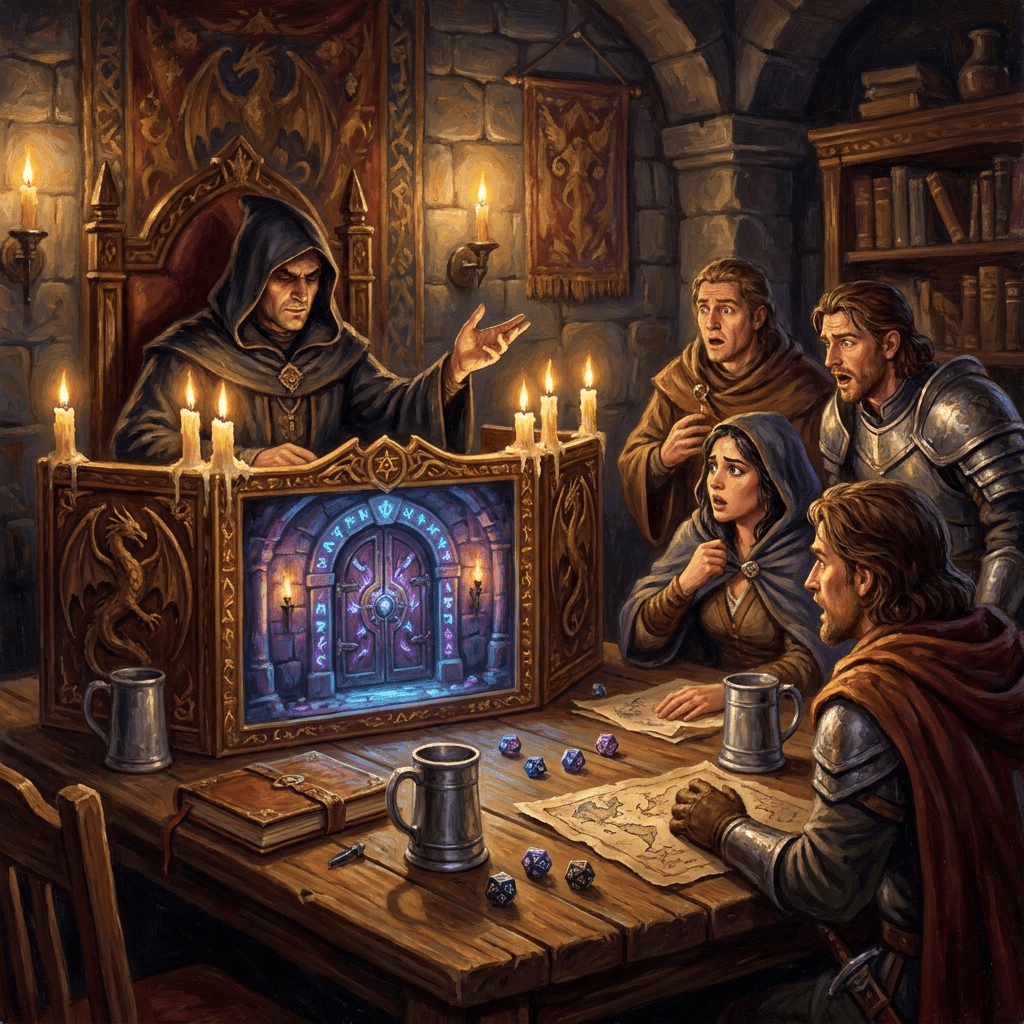
The party has just cleared a haunted manor after a brutal four-hour session. They are low on spell slots and hit points. You describe them settling around a fire in the great hall, finally safe. One player jokes about finally getting a hot meal. Then you say: "As the fire crackles, you hear it. A rhythmic knock, slow and deliberate, coming from inside the sealed vault you were told no one has entered in a hundred years. It knocks three times. Then silence."
That is it. End the session right there. No resolution. No peek inside the vault. Just three knocks and silence. Your players will be theorizing for days, and they will show up next week hungry to find out what is inside. The beauty of this cliffhanger is that you have not committed to a specific answer yet. You can decide what is in that vault between sessions based on what fits best.
Timing Is Everything
The most common mistake GMs make is letting sessions end organically. Someone mentions they have work early, phones come out, and the energy dissolves before you can shape the ending. The fix is to pick a firm stop time at the start of the session and work backward from it.
Set a soft alarm for 20 to 25 minutes before your end time. When it goes off, start steering the fiction toward your prepared ending beat. Wrap up the current encounter, push through the scene transition, and land on your cliffhanger. Players will respect the discipline, and you will always end on a high note.
Improvising a Cliffhanger When You Have Nothing Prepared
Not every session will have a pre-planned ending beat, and that is fine. When you need to improvise, use this simple formula: take the most emotionally charged thing that happened in today's session, then threaten to reverse it or escalate it.
Did the party finally win the trust of a suspicious NPC? Have a courier arrive with a letter that claims he is a spy. Did they recover a powerful weapon? Describe a vision of someone else who wants it, badly, and knows where the party is camping tonight. You are not inventing from scratch. You are pulling on threads already in the fabric of the story.
Keep a Hook Log Between Sessions
Great session endings rarely come from nowhere. They come from seeds planted earlier. Start keeping a simple list of open threads after each session. Unresolved NPC motivations, items whose purpose is unknown, promises made and not kept, factions with agendas the party has not discovered yet. When you need a cliffhanger, scan that list. The best endings feel inevitable in retrospect, like you always knew it was coming.
Organizing your notes does not have to be complicated. Index cards, a shared document, or even a quick voice memo after the session can be enough to keep those threads accessible when you need them.
End Every Session Like It Matters, Because It Does
Your players make time in their busy lives to sit around a table and share something creative with you. The best gift you can give them is a reason to come back that feels urgent. A great cliffhanger tells them that the story is alive, that it will move without them if they are not there, and that next week cannot come soon enough.
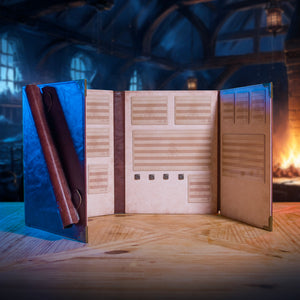
If you want to run your sessions with confidence, having reliable tools on hand makes everything easier. The Ultimate Game Master Screen keeps your notes, hooks, and session end beats right in front of you, so you never lose the thread when it matters most. Now get out there, stick that landing, and leave your players wanting more.