As a Game Master, you likely spend a significant amount of time planning exhilarating battles, equipping your villains, and orchestrating epic showdowns. But what about encounters where swords are sheathed, and wits are the sharpest tools? Enter the world of non-combat encounters, where social interactions, puzzles, and exploration challenges await to enrich your game world. Let's explore how to craft non-combat encounters that keep your players on the edge of their seats.
Why Non-Combat Encounters Matter
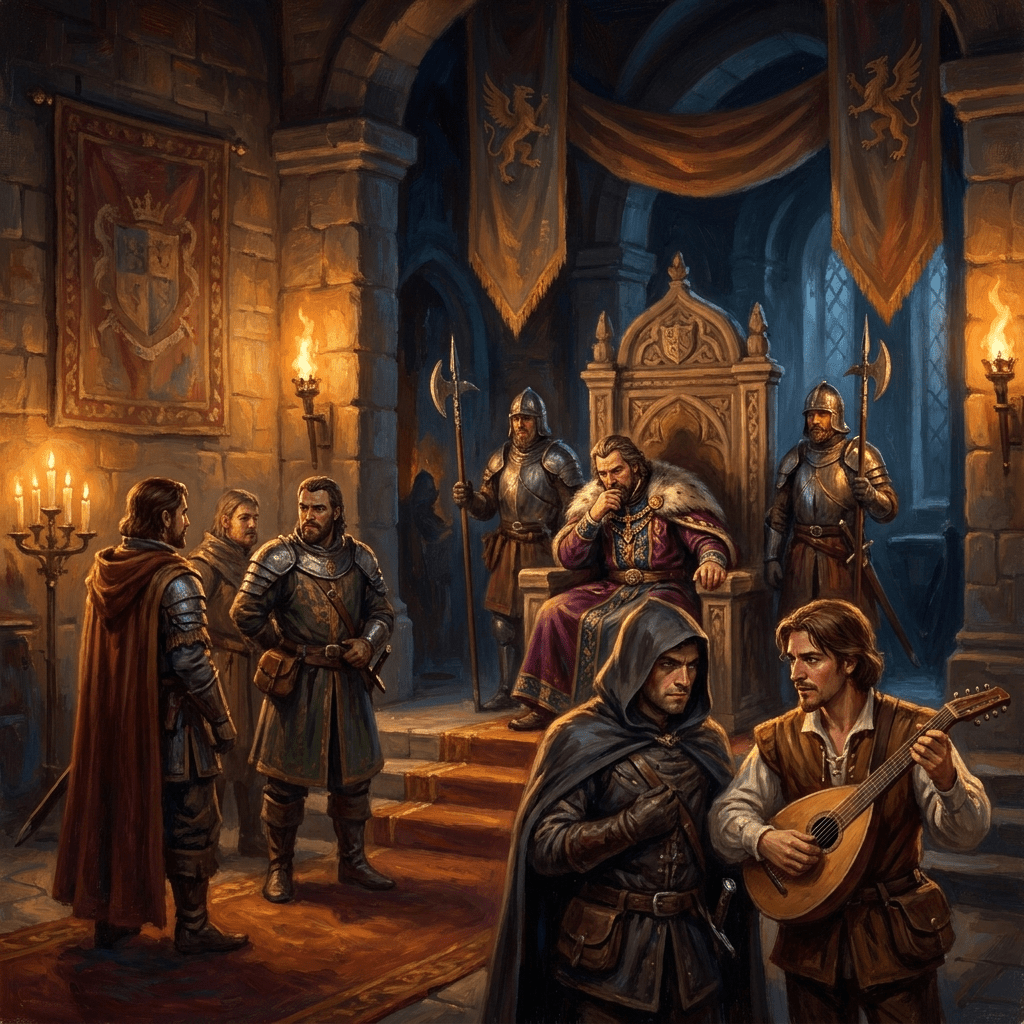
Not every encounter should begin with the roll of initiative. Non-combat challenges add depth to your campaign, allowing players to flex their creativity and decision-making skills. Whether it's convincing a reluctant queen to lend her army or unlocking an ancient riddle door, these encounters can lead to memorable moments.
Designing Riveting Social Encounters
Social interactions are more than just conversations. They are opportunities for players to engage deeply with your world's inhabitants. To create compelling social encounters:
- Create Detailed NPCs: Give your non-player characters (NPCs) motivations, desires, and fears. This adds a layer of realism and intrigue.
- Embrace Dynamic Roleplay: Encourage players to improvise and explore their characters' personalities. Drawing from improv techniques can spark spontaneous and memorable interactions.
- Incorporate Hidden Agendas: Add complexity to social encounters with NPCs who have secrets or ulterior motives.
For a deeper dive into improv NPC techniques, check out our Improv NPC Guide.
Mastering the Art of Puzzle Design
Puzzles can provide a refreshing change of pace, challenging players' intellect and problem-solving skills. To ensure your puzzles enhance rather than hinder gameplay:
- Balance Difficulty: Tailor puzzles to the skill level of your players, ensuring they feel challenging but fair.
- Implement Clue Systems: Provide hints or clues to prevent players from feeling stuck and frustrated.
- Integrate the Environment: Weave puzzles naturally into the setting, making them a seamless part of the narrative.
Enjoyed these tips? Try out our ready-to-use Puzzle Idea: The Riddle Door.
Enriching the Campaign Through Exploration
Exploration challenges broaden the horizons of your players, urging them to discover the unknown. Enhance exploration encounters with:
- Sensory Details: Describe sights, sounds, and smells vividly to make environments come alive.
- Player Impact: Allow player choices to significantly impact the outcome of exploration encounters.
- Mystical Elements: Introduce magical or enigmatic phenomena to stir curiosity and wonder.
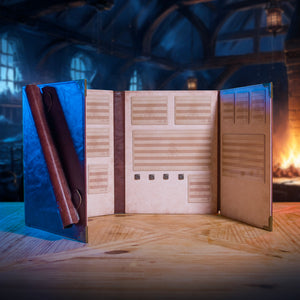
For added immersion, consider using a GM screen with dry-erase inserts to sketch maps or jot down dialogue cues behind the screen. Explore our Accessory Recommendations for more ideas.
A World Beyond Combat
Dipping into non-combat encounters requires a bit of courage and creativity, but the rewards are well worth it. These encounters offer players a chance to explore character nuances, solve intricate problems, and forge connections that transcend the battlefield. So, embrace the non-combat challenge and watch as your campaign world comes to life in exciting, unexpected ways.
Ready to expand your GM horizons? Dive into our community discussions for more inspiration, and don't forget to share your success stories with us!