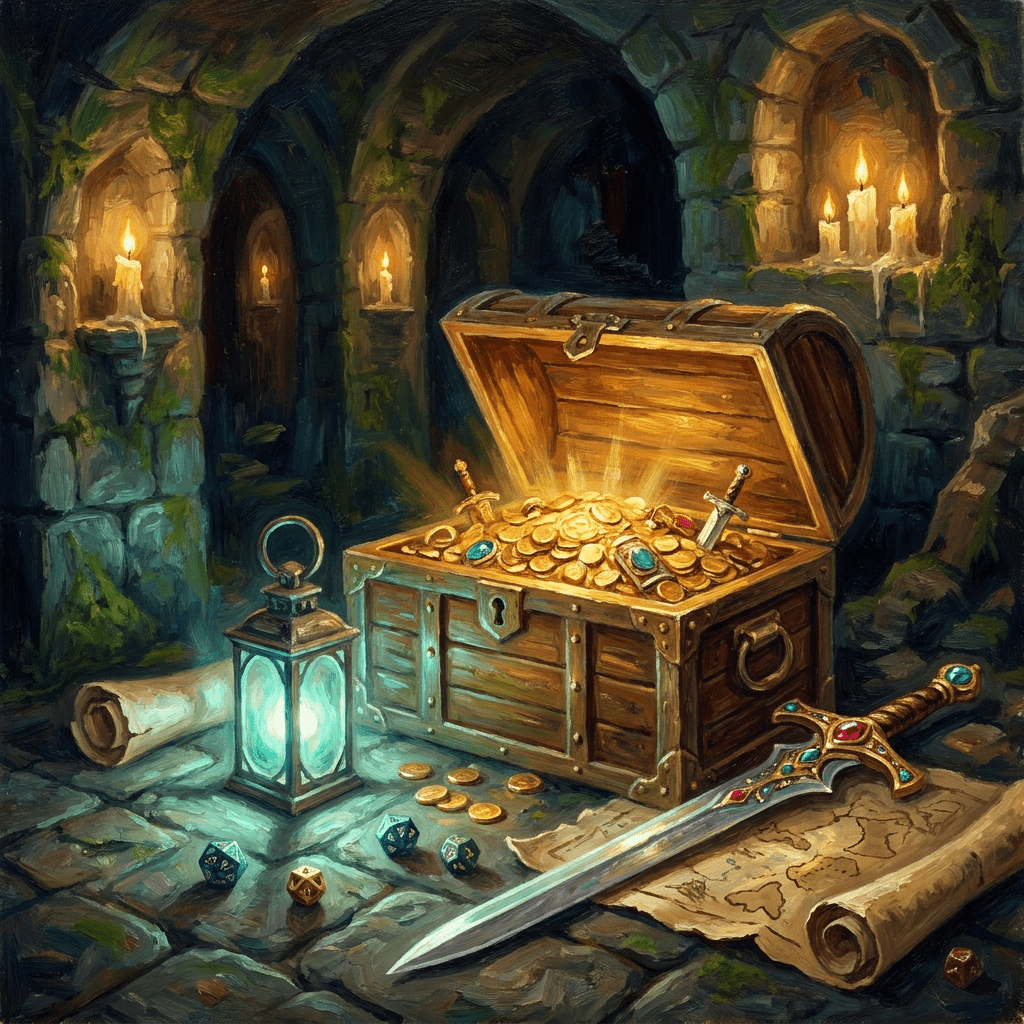
As a Game Master, you have probably felt the loot dilemma. Hand out too little and your players feel like their victories do not matter. Hand out too much and a single magic sword can flatten every encounter you build for the next six months. Treasure is one of the most powerful motivators at your table, and it deserves the same care you give your villains and set pieces. In this post, we will walk through how to design rewards that thrill your players, reinforce your story, and keep your campaign's balance intact.
The Three Jobs of Great Treasure
Before you roll on a random table, ask what you want this reward to accomplish. Great loot usually does at least one of three jobs:
- Power: It makes a character mechanically better at something they already love doing. A rogue with a dagger that whispers the location of nearby traps feels sharper, not broken.
- Story: It carries history, mystery, or a hook. An heirloom blade engraved with the sigil of a fallen house invites questions that can drive entire arcs.
- Identity: It lets a player express who their character is. A cloak that shifts color with its wearer's mood does almost nothing in combat, yet players treasure items like this for years.
The best items do two of these jobs at once. If a reward does none of them, it is just clutter in the inventory list.
Budget Your Power Curve
Balance problems rarely come from one item. They come from the pile. A simple guideline for D&D 5e: by the end of tier one (levels 1 to 4), each character might own one uncommon item. By the end of tier two (levels 5 to 10), two or three uncommon items and perhaps one rare. Save very rare and legendary items for tiers three and four, and introduce them as story events, not random drops.
The Attunement Valve
Attunement is your built-in safety valve. Characters can attune to only three items, so lean on attunement for anything with real combat impact. Non-attunement items should be utility, flavor, or consumable. Speaking of which, consumables are your best friend: potions, scrolls, and single-use trinkets let you hand out exciting rewards that spend themselves. A scroll of fireball at level 4 creates one glorious moment, not a permanent balance problem.
Make Items Memorable, Not Just Powerful
A +1 longsword is a math upgrade. A named sword with a quirk is a character. You can make almost any item memorable with three small additions: a name, a visible detail, and a quirk. The quirk costs you nothing mechanically but gives the item a personality players will talk about between sessions.
Loot Example: The Lantern of the Drowned Watch
Suppose your party just cleared a flooded lighthouse held by a cult. Instead of 400 gold pieces and a generic wand, they find the Lantern of the Drowned Watch: a brass lantern crusted with salt that burns with a pale green flame. Once per day, its bearer can ask the flame to point toward the nearest body of a person who died by drowning. It sheds light as a torch, and it never goes out underwater. There is no attunement, no damage bonus, and no spell slots. Yet this item solves mysteries, creates spooky moments, and quietly plants your next adventure hook. When the flame points somewhere unexpected in the middle of a calm harbor town, your players will follow it. That is loot doing story work for you.
Handling Gold and Mundane Treasure
Coin matters most when there is something worth buying. If your setting has nothing for sale beyond rations and rope, big piles of gold feel hollow. Give money gravity with meaningful sinks: a keep to restore, a ship to outfit, bribes for officials, guild dues, spell components, or a favorite tavern to invest in. Also vary the form treasure takes. Trade bars, art objects, rare books, and land deeds all spend differently, and negotiating the sale of a stolen noble's portrait is an encounter in itself.
Listen to the Table
Finally, let your players tell you what they want, because they will. Take note when someone lingers over a shopkeeper's shelf or wistfully mentions an item from a past campaign. Rewards land hardest when they feel personal. You do not need to grant every wish, but seeding a wished-for item into a villain's vault three sessions later makes a player feel truly seen.
Conclusion: Reward Boldly, Balance Quietly
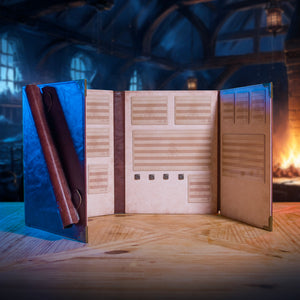
Loot design is not about restricting fun. It is about spending your campaign's excitement wisely, so every reward feels earned and every item has a story. Keep a simple list of what each character owns behind your Ultimate Game Master Screen and you will always know exactly how much power sits on the other side of the table. Start small, name your items, lean on consumables, and let treasure pull your party deeper into the world. Keep experimenting, keep listening to your players, and have fun out there!