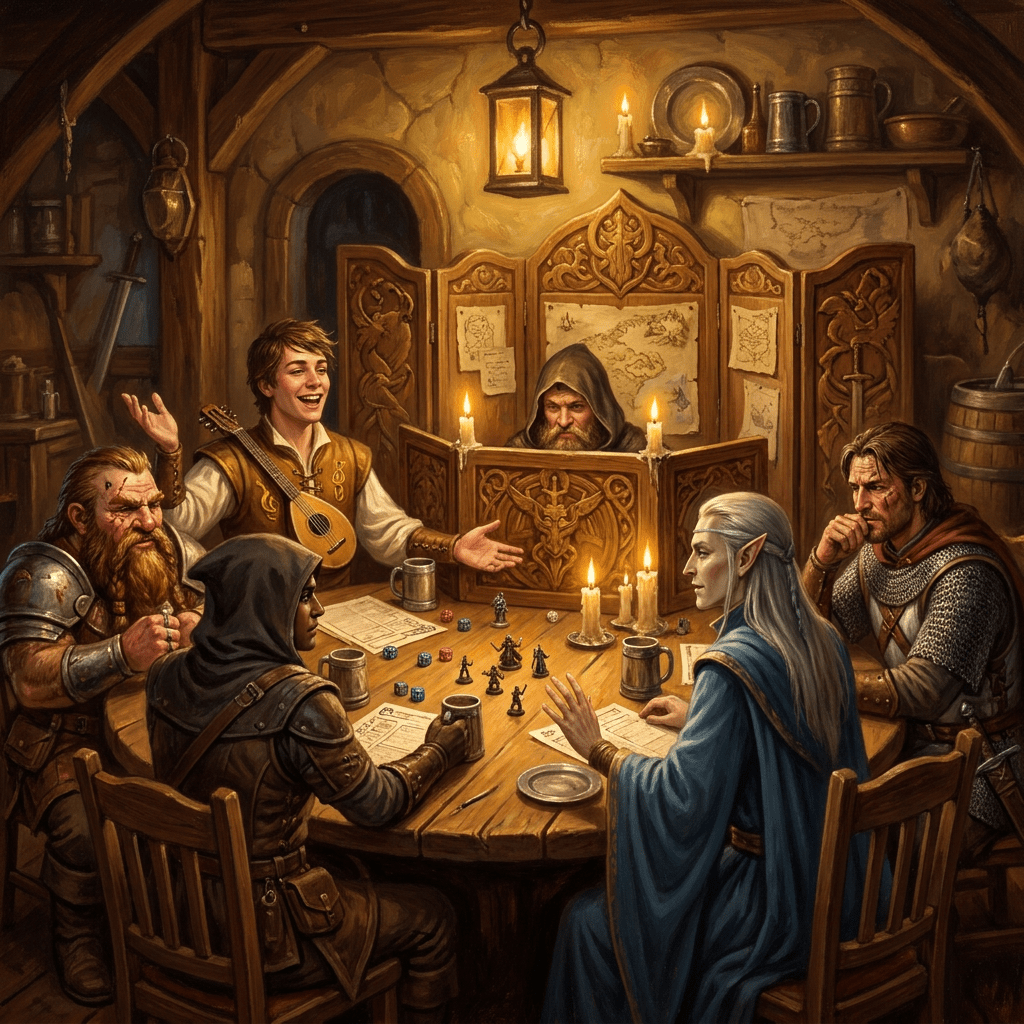
As a Game Master, you know the feeling: one player narrates every plan, cracks every joke, and answers every question before anyone else can open their mouth, while another sits quietly at the edge of the table, rolling dice they rarely get to use. The talkative player is a joy to run for, but not when the quiet strategist or the newer face at your table shrinks a little further into the background every session. Balancing the spotlight is one of the hardest skills to master as a GM, and getting it right is what keeps an entire group invested, week after week.
Why Spotlight Balance Matters
Every player comes to the table wanting to matter. They want their choices to shape the story, their character's skills to shine, and their voice to be heard in the room. When one or two players dominate the airtime, the rest of the group slowly disengages. They stop offering ideas because they assume someone louder will fill the silence anyway. Over months, this quietly hollows out a campaign, even if the dominant player never means any harm. Fixing this is not about silencing anyone. It is about making sure every character gets a real chance to act, decide, and be seen.
Spotting the Signs Early
Spotlight problems rarely announce themselves. They build slowly, and by the time a quiet player stops showing up, the damage is already done. Learning to recognize the pattern early gives you room to adjust before anyone feels left out.
The Usual Suspects
- The Talker: Answers every NPC question, negotiates every deal, and often speaks for the whole party without meaning to crowd anyone out.
- The Optimizer: Built a mechanically powerful character and instinctively steps forward in every fight, leaving less optimized builds feeling like backup.
- The Wallflower: Has great ideas but waits to be asked, and if no one asks, those ideas never reach the table.
- The Sidebar Starter: Chats with a neighbor during other players' scenes, which splits the table's attention and shortchanges whoever currently has the floor.
Practical Techniques to Share the Spotlight
You do not need a rigid timer or an awkward "your turn to talk" system to fix this. A few light-touch habits, applied consistently, make a bigger difference than any hard rule.
- Round Robin Prompts: When a scene opens, ask a specific question to a specific character before opening the floor to the whole table, such as "What is your character noticing right now?"
- Scene Framing by Character: Design at least one scene per session that is built around a quieter character's background, bond, or flaw, so the story naturally turns their way.
- Skill Challenges by Design: Build obstacles that call for a variety of skills, not just combat prowess, so characters built for social or exploration play get their moment too.
- Private Notes and Secrets: Hand a quiet player a note only they can see. A private clue or vision gives them something unique to bring to the group, which naturally draws attention their way.
- Session Zero Agreements: Talk about spotlight sharing before the campaign even starts, so it is a shared table value rather than a correction you have to make later.
Encounter Example: The Vault of Whispers
Picture a session where the party has just discovered a sealed vault rumored to hold a lost relic. Instead of opening with "what do you do," you frame the scene directly at your quietest player: the rogue in your group notices faint scratch marks near the hinges that suggest the vault has been opened before. That detail is theirs alone to interpret. Meanwhile, the vault's locking mechanism requires three separate checks: a strength check to force a jammed gear, an arcana check to decipher a warded rune, and a persuasion check to calm a bound spirit guarding the threshold. Your optimized fighter handles the gear, but the wizard and the bard, often quieter in physical fights, become essential here. By the time the vault opens, four different characters have contributed something the others could not, and no single player carried the scene alone.
When to Address It Directly
Sometimes structure alone is not enough, and that is fine. If a player is consistently talking over others or answering for the table, a short, kind conversation outside of session goes a long way. Frame it around table health rather than blame: "I want to make sure everyone gets a real chance to shine, can you help me leave a little more room for the quieter folks?" Most players, especially the enthusiastic talkers, want the whole table to have fun and will happily adjust once they understand what is happening.
Keep Every Voice in the Story
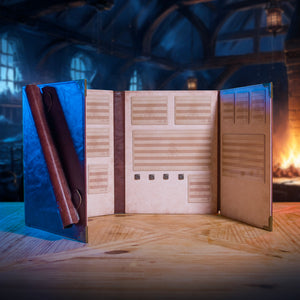
Spotlight balance is not a one-time fix. It is an ongoing habit you build session after session, scene after scene. Keep watching the table, keep asking quieter players direct questions, and keep designing challenges that call for more than one kind of hero. A well-organized Ultimate Game Master Screen can help here too, giving you quick reference to skills, conditions, and NPC prompts so you can keep your attention on the table instead of your notes. Keep experimenting, keep listening, and keep having fun. Every voice at your table deserves its moment in the story.