As a Game Master, crafting the perfect combat encounter can feel like walking a tightrope. You want your players to be on the edge of their seats, yet not so overwhelmed that they tumble into frustration. While Challenge Rating (CR) and standard encounter math are crucial, they only scratch the surface of designing exhilarating yet fair battles in D&D 5e. Let's dive into some seasoned strategies to make these encounters memorable.
Understanding Challenge Beyond CR
The Challenge Rating system is a useful guide for creating balanced encounters, but it's not infallible. Beyond CR, understanding the dynamics of your player group's strategy plays a pivotal role. Consider these factors:
- Player Strategy: Are your players tactical wizards or are they more brawn over brains? Tailoring encounters to challenge their specific strengths and weaknesses makes battles more engaging.
-
Terrain Features: Incorporate elements like height, cover, and tricky terrain. Using the environment as an ally or adversary adds layers of complexity.
- Enemy Synergy: Combine different enemy types. A ranged attacker supporting melee brutes or spell-casters that complement each other can heighten the challenge.
Tweaking the Engagement
Even meticulously planned encounters might need on-the-fly adjustments. Here’s how you can adapt stealthily:
- Subtle HP Adjustments: If a combat is too lethal, quietly drop enemy hit points. Ensure players still earn rewards befitting their bravery.
-
Dynamic Reinforcements: If the tide turns too quickly, consider introducing rogue reinforcements or aids to even the scales.
- Tactical Retreats: A clever foe may flee to fight another day, preventing scenes from dragging when victory is clear.
Purpose-Driven Battles
Every encounter should serve the narrative. A fight just for the sake of it can feel hollow. Offer twists or objectives beyond mere survival, such as time-sensitive tasks or complex puzzles woven into combat. For example, a battle where players must disable a magical artifact before it explodes can provide tension and urgency.
Encounter Example: Goblin Ambush
Let’s explore a classic low-level encounter scenario: The Goblin Ambush. How can it be adapted for groups of varying sizes and abilities?
-
3 Players: Use two goblins and one goblin boss. Elevate the tension with ground traps and archers on ledges.
- 4 Players: Add an extra goblin and introduce visibility-reducing weather to complicate their approach.
- 5 Players: Roll in a goblin spellcaster with harassment tactics, such as casting fog to divide the party.
Balancing these encounters effectively can change the dynamic from a predictable combat slog to an epic battlefield saga.
Conclusion: Become the Master of Mayhem
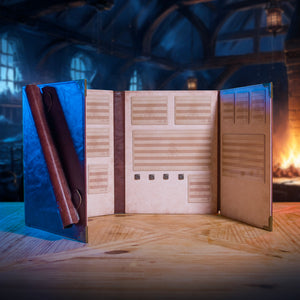
By implementing these strategies, you can ensure your players remain captivated by the ebb and flow of battle in your campaign. For those looking to level up their GMing tools, consider the Ultimate Game Master Screen, which offers handy reference inserts for quick encounter math and condition management. Remember, the journey of perfecting combat is ever-dynamic, just like the games we cherish. Keep experimenting, learning, and most importantly, have fun!