As a Game Master, you know the sinking feeling: the party has been debating which door to open for twenty minutes, a player is scrolling their phone, and the energy that filled the room an hour ago has quietly drained away. A dragging session is one of the most common problems at the table, and it rarely means your story is bad. More often it means the pacing has slipped. The good news is that pace is something you can steer in real time, and with a few reliable techniques you can pull a sagging session back to life before anyone reaches for their car keys.
Why Sessions Lose Momentum
Momentum usually leaks away for predictable reasons, and naming them makes them easier to fix. Watch for these common culprits:
- Decision paralysis: The party faces too many options with too little information, so they stall out weighing choices that do not really matter.
- No ticking clock: When nothing is pressing forward, players feel free to explore every corner and second-guess every step.
- Uneven spotlight: One subplot swallows the whole evening while other players wait for something to do.
- Over-described downtime: Shopping trips, travel, and long social scenes get narrated beat by beat instead of summarized.
- Unclear goals: The players simply do not know what they are supposed to be doing next, so they drift.
Once you can spot which of these is happening, the fix is usually fast. Most pacing problems are solved by adding pressure, cutting friction, or handing the spotlight to someone new.
Techniques to Restore the Pace
Introduce a Clock
Nothing sharpens focus like a deadline. If the party is dithering, give them a reason to move. A patrol is approaching, the ritual is nearly complete, the tide is coming in, or the merchant is closing shop at dusk. You do not need a literal timer, though a visible countdown of six ticks can work wonders. The moment players feel time slipping, indecision turns into action.
Cut Straight to the Interesting Part
You are allowed to skip. If the group agrees to travel three days to the ruined keep, you can say, "Three days of hard riding later, you crest the hill and the keep comes into view at sunset." Summarize the boring stretches and spend your table time on the scenes that matter. This single habit, sometimes called framing hard, recovers more lost minutes than any other trick.
Ask a Pointed Question
When the room goes quiet, do not fill the silence with more narration. Instead, put the ball in a player's court. Ask, "Kaelen, your character has been itching for a fight all week. What are you doing while the others argue?" A direct question re-engages a fading player and often nudges the whole party toward a decision.
Raise the Stakes or Add a Complication
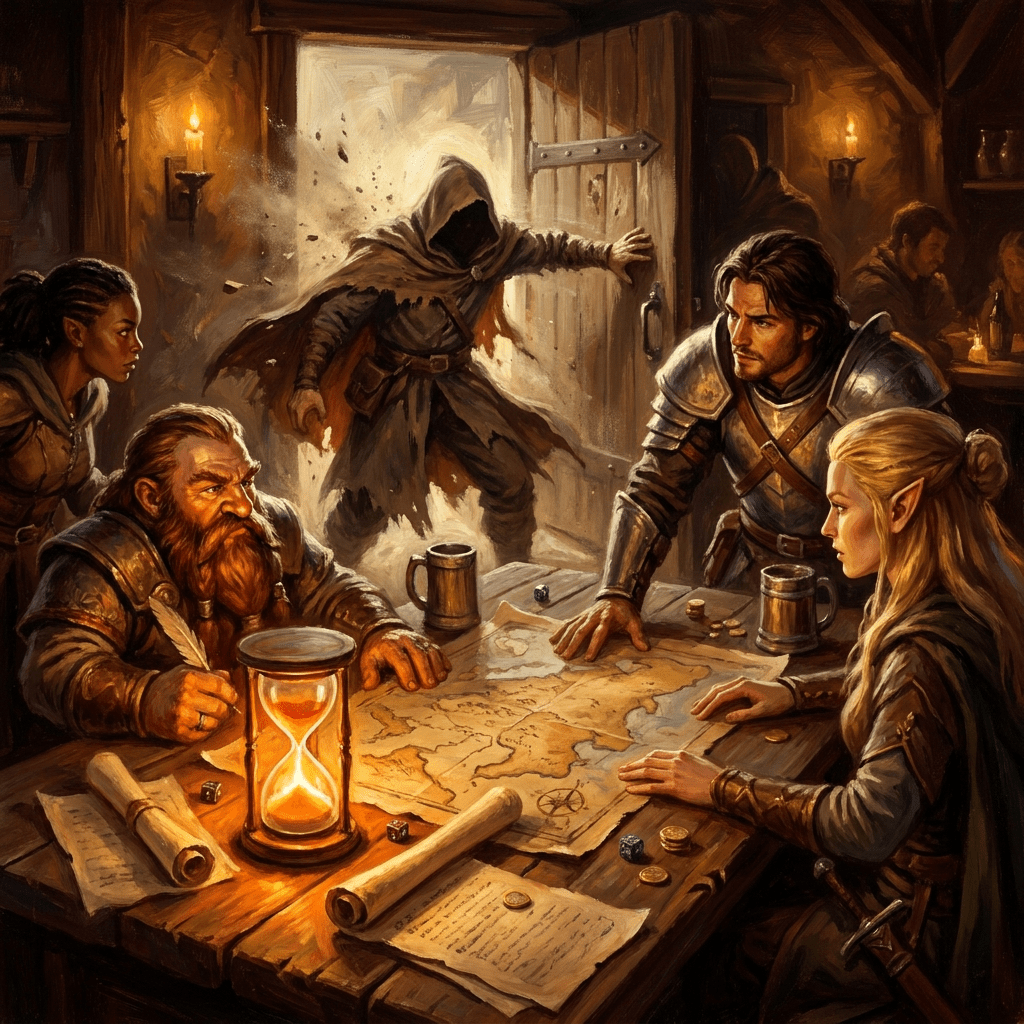
If a scene has run out of fuel, drop something new into it. A messenger bursts in, the floor begins to crack, an old rival appears at the tavern door. Complications create fresh decisions, and fresh decisions restore energy. Keep a short list of these ready so you can reach for one on the spot.
Reading the Room in Real Time
Great pacing depends on paying attention to your players rather than your notes. Watch body language. Leaning in, quick banter, and note-taking mean the pace is good. Slumping, side conversations, and phones mean it is time to change gears. Trust those signals over your prep. A prepared scene that is falling flat is not worth protecting, and a spontaneous moment that has the table buzzing is worth every minute you give it.
A Worked Example: The Stalled Investigation
Imagine your players are investigating a murder in a foggy port town. Two hours in, they have interviewed every witness twice and keep circling the same three suspects with no new leads. The room has gone flat. Here is how you rescue it. First, add a clock: a second body turns up, and the town guard announces the docks will be locked down at midnight. Now the party has a deadline. Second, hand the spotlight to a quiet player by having a frightened child tug that character's sleeve with a whispered clue. Third, add a complication: one suspect tries to flee the moment the new body is discovered, forcing an immediate choice about who to chase. In three quick moves you have replaced aimless questioning with urgency, involvement, and a clear direction, all without rewriting your mystery.
Keep the Story in Motion
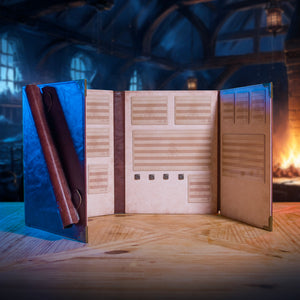
Pacing is not about rushing your players or cutting them off. It is about protecting the sense of forward motion that makes a session feel alive. Introduce clocks, frame past the dull parts, aim pointed questions at fading players, and stay ready with a complication when a scene runs dry. Above all, keep your eyes on the table instead of your notes, because your players will always tell you when the pace has slipped. Having your prep, your clocks, and your NPC notes organized behind a sturdy screen makes these adjustments effortless, which is exactly why so many GMs keep the Ultimate Game Master Screen within arm's reach. Now go rescue that dragging scene, trust your instincts, and most of all, have fun keeping your table on the edge of their seats.