When crafting a campaign, Dungeon Masters and Game Masters often focus on exhilarating combats, planning every roll and maneuver. However, some of the most memorable moments in tabletop RPGs come not from the clatter of dice on the table but from interactions and exploration that stretch beyond battle. Welcome to a deeper dive into non-combat encounters: opportunities that breathe life into your campaign and engage players in novel and unexpected ways.
Defining Non-Combat Encounters
Non-combat encounters involve elements that challenge players outside their prowess in battle. These can range from intricate social negotiations, to puzzles that tickle the mind, to explorations that beg careful decisions. Here’s how you can bring each to life:
Social Negotiations
Imagine your players must convince a powerful queen to lend her army. The key to vibrant, dynamic social scenes is in creating NPC motivations. Each character should have their desires and quirks:
- Motive: Does the queen need a political favor in return? Establish her leverage.
- Roleplay Dynamics: Borrow techniques from improvisational acting. Let the queen react to players’ persuasion attempts dynamically, keeping the dialogue exciting.
- Hidden Agendas: What if the queen secretly supports a rival faction? Introduce subtext and ulterior motives to surprise players.
Puzzles and Traps
Puzzles can be thrilling brainteasers or formidable roadblocks. Keep players engaged with these tips:
- Difficulty Matching: Consider your players' experience levels. A complex cryptogram might stump beginners but thrill veterans.
- Clue System: Always have hints available. Cues can be found through perception checks or obtained from clever NPC interactions.
- Ready-to-Use Idea: A 'Riddle Door'—involving solving a riddle to unlock a passage.
Exploration and Discovery
Extend your campaign's horizons by allowing players to discover new worlds and stories:
- Sensory Details: Engage all five senses—describe the aroma of the enchanted forest or the ethereal glow of the mystical fog.
- Player Choices Matter: Let their decisions alter outcomes significantly. Perhaps finding a hidden path alters the storyline or sidesteps danger.
- Mystical Event: Navigating a magical fog that presents visions of the past or future adds depth to your narrative.
In Practice: Practical Encounter Ideas
Here are a couple of ideas to get you started:
Political Negotiation
The players must negotiate with a noble whose support is crucial. Unknown to them, the noble’s advisor is a double agent, guiding them on a false trail. This offers twists and demands players read between the lines.
Puzzle at the Gate
A gate locked by a riddle: "What has keys but opens no locks?" With answers and clues around the area, players must explore to gather pieces of the answer: a piano.
Conclusion: Embrace the Unexpected
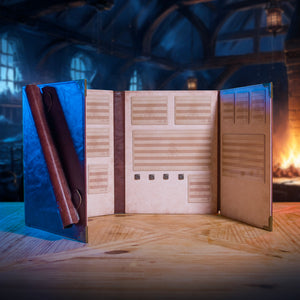
Shifting from combat-centric gameplay can invigorate your campaign with depth, allowing you and your players to explore different facets of storytelling. Encourage player engagement with well-designed encounters, and relish the joy of creativity both at and behind the screen. Looking for tools to facilitate this creative process? Consider using a GM screen to sketch puzzles or prompt NPC discussions. Unearth the unexpected, and your players will thank you for it.
Are you ready to spice up your campaign with these tactics? Share your experiences below, or visit our extensive archives of GM advice for more inspiration!