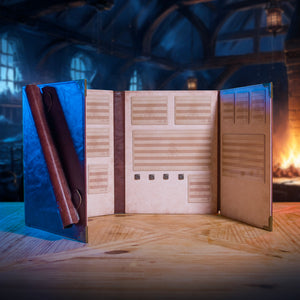
As a Game Master, it's easy to fall into the rhythm of combat-focused sessions where initiative rolls dictate the drama. However, some of the most unforgettable moments can emerge from non-combat encounters. Imagine your players immersed in the art of negotiation or solving puzzles that itch their brains and challenge their assumptions. Here, we delve into the world of non-combat encounters, offering practical advice to enhance your game sessions with social interactions, brain-teasing puzzles, and exploration challenges.
Understanding Non-Combat Encounters
Non-combat encounters breathe life into your campaign world, weaving depth and variety beyond battles. They can be:
- Social Negotiations: Convincing a queen for aid, or uncovering a spy in a tavern.
- Puzzles: Solving an ancient riddle lock or disabling a magical trap.
- Exploration Challenges: Navigating through mystical terrain or interpreting cryptic ruins.
- Moral Dilemmas: Choosing between rescuing innocents or pursuing a critical mission.
These encounters provide a change of pace and allow players to explore their characters' personalities and decision-making skills.
Designing Engaging Social Scenes
Creating compelling social interactions can be as thrilling as a well-orchestrated battle. Consider the following tips:
- NPC Motivations: Develop clear goals and motivations for your NPCs. This will make interactions feel dynamic and genuine. A local lord might be willing to help, but what if he secretly harbors ambitions against the queen?
- Borrow from Improv: Use improv techniques to keep conversations flowing. Reference our NPC advice for dynamic roleplay.
- Active Listening: Encourage players to ask questions and actively listen, building responses based on cues they receive.
Creating Captivating Puzzles
Puzzles can be a delightful break from combat, but they require thoughtful design:
- Match Difficulty to Players: Know your players' strengths and challenge them without overwhelming them. Start with a simple riddle and gradually increase complexity.
- Provide Clues: Always have a hint system in place to prevent players from getting stuck. Gentle nudges can keep the momentum alive.
- Interactive Elements: Use props or drawings behind your GM screen to enhance immersion. Consider dry-erase inserts for quick sketches.
Exploration Challenges That Engage
Let your players feel the world around them with exploration scenarios rich in detail:
- Sensory Details: Describe the environment richly, involving all senses. "The fog is thick, damp with a scent of pine and decay."
- Player Choices Matter: Offer consequences to player decisions. Taking a risky path might avoid an enemy but leads to unknown territory.
Ready-to-Use Encounter Ideas
To get you started, here are two encounter ideas:
- Riddle Door Puzzle: The door to a treasure vault is inscribed with a riddle that changes language every time it is read aloud. Players must solve linguistic puzzles to open it.
- Hidden Agenda Negotiation: A diplomat asks for help but secretly works for a rival faction. Players need to decipher his true intentions through conversation cues.
These can be tailored to fit any setting, providing adaptable templates for your sessions.
Conclusion
Embrace the power of non-combat encounters by treating them with the same care as your most intense battles. These moments can forge unforgettable memories and strengthen your campaign narrative. Encourage your players to immerse themselves fully, and watch as they uncover new dimensions of enjoyment and creativity within the game. As you plan your next session, consider incorporating a social puzzle or nuanced exploration challenge to diversify and enrich your storytelling. Join us over at Ultimate Game Master for more advice and to share your experiences with our community!